
Please Choose Your Language
close
Choose Your Site
Global
Social Media
Views: 0 Author: Site Editor Publish Time: 2025-11-23 Origin: Site


In today’s digital landscape, having a stable and high-performance device network connection is more crucial than ever. Whether it’s for business operations, home networks, or IoT devices, the foundation of any reliable connection often comes down to one thing: the communication cable. Despite being one of the most overlooked components, the right cable can significantly enhance your device network connection, ensuring smooth data transfer and minimizing disruptions. For companies like Shenzhen SiRON Electrical Co., Ltd., which specializes in manufacturing high-quality cables and electrical control systems, understanding how a communication cable plays a role in this is vital for offering top-notch products and solutions to meet customer needs.
A communication cable is the physical medium that connects devices to a network infrastructure, facilitating the transfer of data between them. From home computers to industrial equipment, these cables serve as the backbone of any device network connection. There are various types of communication cables, each offering specific advantages depending on the use case.
The role of a communication cable in device network connections cannot be overstated. It ensures that data packets travel smoothly from one device to another, maintaining the integrity and speed of the network. Without the right cable, even the most advanced networking equipment can suffer from poor performance, resulting in network downtime or slow connections.
Choosing the right communication cable for your devices ensures that they remain properly connected to the network, offering the most efficient and reliable performance possible.
When choosing a communication cable, it’s important to understand the different types available, as each type offers distinct benefits for specific applications.
The most common type of cable used for local area networks (LANs) is twisted-pair copper cable, which comes in several categories, such as Cat5e, Cat6, and Cat6A. Each of these categories supports different levels of network speeds and bandwidth. For example, Cat5e cables are sufficient for standard networking tasks, whereas Cat6 and Cat6A cables support higher speeds and better performance for data-intensive tasks, such as streaming or large file transfers.
In a device network connection, twisted-pair copper cables can have a significant impact on speed, stability, and reliability. Cat6 cables, for instance, are often used in modern networks because they support faster data transfer rates and are less prone to interference than older Cat5e cables.
Coaxial cables are another type of communication cable that is commonly used in networks, especially for television and cable internet connections. While they are becoming less common for new network setups, coaxial cables are still suitable for certain applications that require stable performance over short distances.
Although coaxial cables provide a reliable connection, they are generally slower than twisted-pair cables or fiber optics. Thus, they are better suited for older network setups where the speed requirements are not as demanding.
For the highest performance and reliability, fiber-optic cables are the preferred option. These cables use light signals to transmit data at extremely high speeds over long distances, making them ideal for both high-speed broadband connections and enterprise networks that require vast amounts of data transfer.
Fiber-optic cables are particularly well-suited for modern device network connections because they offer almost no signal degradation, making them perfect for long-distance and high-bandwidth applications. Businesses and large-scale operations, such as data centers, rely heavily on fiber-optic cables to ensure that their networks remain fast, reliable, and scalable.
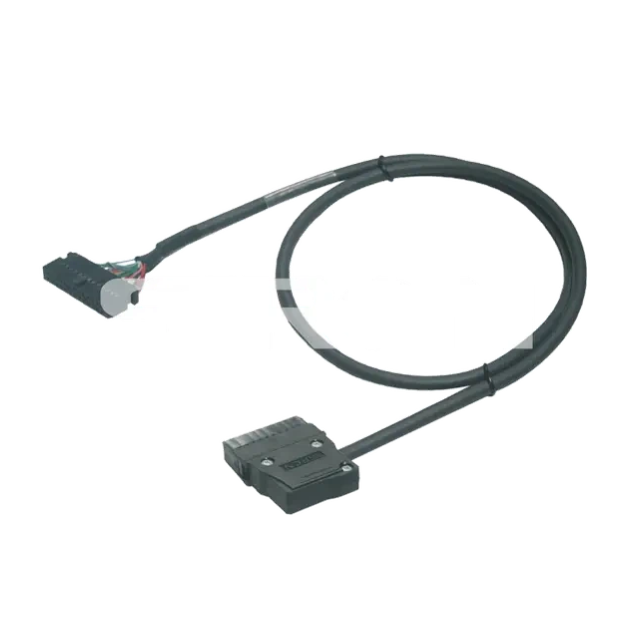
Choosing the right communication cable for your device network connection is not as simple as picking any available option. Several factors influence which cable is best suited for your needs. Here are the key considerations to keep in mind:
The category or standard of a cable determines its speed and performance. For instance, Cat5e cables are typically sufficient for basic home networks, while Cat6 or Cat6A cables are required for high-speed applications, such as video conferencing or gaming. It’s important to choose a cable that matches your speed and bandwidth requirements.
Shielded cables are designed to reduce interference from external sources, such as electrical equipment or nearby cables. If you are setting up a device network connection in a noisy environment (such as in factories or near heavy machinery), you may want to consider a shielded cable to prevent performance issues.
The length of the cable can also impact performance. The longer the cable, the more likely the signal will degrade over distance. This is especially true for copper cables. If your devices are far apart, you may need to invest in higher-quality cables or even consider fiber-optic options to maintain optimal network performance.
In addition, environmental factors such as temperature, humidity, and exposure to sunlight should be taken into account. For outdoor or industrial environments, specialized cables are required to withstand harsh conditions.
Ensure that the connectors on the cable are compatible with your devices and network equipment. The most common connectors for device network connections are RJ45 connectors for Ethernet cables. However, depending on your setup, you may need other types of connectors as well.
A well-chosen communication cable can make all the difference in the reliability and performance of your device network connection. High-quality cables reduce the chances of network failure, packet loss, and signal degradation, ensuring that data travels seamlessly between devices.
For example, using high-performance cables like Cat6 or fiber-optic cables ensures that your devices receive the required speed and bandwidth, whether it’s for video conferencing, file sharing, or IoT device connectivity. On the other hand, low-quality or inappropriate cables can lead to delays, slower speeds, and dropped connections.
With the right cable, businesses can reduce downtime, increase productivity, and offer a better experience for end-users. At Shenzhen SiRON Electrical Co., Ltd., we ensure that our communication cables are manufactured to the highest standards, so your device network connections are reliable and secure.
As the number of devices and the demand for higher speeds increase, it’s important to future-proof your device network connection by investing in cables that can handle higher speeds and greater bandwidth. The technological landscape is evolving quickly, and so are the networking demands.
To stay ahead of the curve, consider investing in communication cables that can support future technologies, such as 5G or IoT. For example, choosing Cat6A cables now ensures that your network can handle 10Gbps speeds, which will be necessary for future network applications.
Additionally, as more devices are connected to the network, choosing scalable solutions like fiber-optic cables ensures that your network infrastructure can support increasing demands without compromising on performance.
Choosing the right communication cable does more than just optimize your device network connection—it also brings tangible benefits to your business. With reliable, high-performance cables, businesses can ensure smooth operations, reduce network-related issues, and enhance productivity.
For home users, the right cable ensures uninterrupted streaming, gaming, and smart-home device connectivity. For businesses, it means fewer technical issues, less downtime, and more efficient workflow.
By selecting the best cable for your specific device network connection needs, you are making a long-term investment in both reliability and performance. At Shenzhen SiRON Electrical Co., Ltd., we provide a range of cables designed to meet these needs and help businesses maintain top-tier performance.
In summary, the importance of a communication cable in ensuring a reliable device network connection cannot be understated. Whether it’s for high-speed data transfer, stability, or long-term scalability, choosing the right cable is key to a seamless networking experience. To future-proof your infrastructure and enhance network performance, make sure to invest in high-quality cables that match your device network connection requirements. Contact us today to explore our range of reliable communication cables and find the perfect solution for your needs.
1. What is the difference between Cat6 and Cat6A cables?
Cat6 cables support speeds up to 1Gbps, while Cat6A cables are designed to handle speeds of up to 10Gbps, making them more suitable for high-demand network setups.
2. Can I use fiber-optic cables in a home network?
Yes, fiber-optic cables are ideal for home networks that require high-speed connections for activities like streaming or gaming, providing faster data transfer and greater bandwidth.
3. How do I know if I need a shielded communication cable?
If you’re setting up a device network connection in an environment with high electrical interference, such as a factory or near heavy machinery, shielded cables will help reduce the impact of external noise.
4. Are fiber-optic cables better than copper cables for my network?
Fiber-optic cables offer faster speeds, longer-distance performance, and lower signal degradation, making them a superior choice for enterprise networks or high-demand applications.


