
Please Choose Your Language
close
Choose Your Site
Global
Social Media
Views: 0 Author: Site Editor Publish Time: 2026-01-12 Origin: Site


In the world of industrial automation, industrial sensors play a vital role in enhancing the efficiency and reliability of systems. One such critical component is the limit switch, which ensures smooth and secure operation by detecting the movement of objects or machines. Whether it's in factory automation, conveyor systems, or safety applications, limit switches are indispensable for modern industrial processes. As part of the comprehensive offerings from SiRON Electrical, these sensors deliver unmatched precision and operational excellence in even the most challenging factory environments.
A limit switch is a device that detects the position of a mechanical component or object within a defined range. It operates by sensing the physical contact or movement of an object, and when the object reaches a predetermined position, the switch activates or deactivates an electrical circuit. This activation is crucial for controlling various machines and ensuring they operate within safe parameters.
Functionality in Industrial Automation:
In automation systems, limit switches are used to monitor the end-of-travel position of machinery, such as robotic arms, conveyor belts, and hoists. When the machine or component reaches the pre-set position, the limit switch either initiates or halts further action, preventing malfunction or system damage.
Types of Limit Switches:
Mechanical Limit Switches: These switches physically interact with the object to trigger a response.
Electrical Limit Switches: These switches rely on the electrical signal to detect the position, offering more precise control.
The main advantage of using a limit switch is its ability to provide accurate detection and ensure that the system functions within its designed limits. As part of the product line at SiRON Electrical, these sensors are built under ISO-certified systems to guarantee long-term reliability in harsh factory settings.
Factory Automation:
In industrial automation, limit switches are widely used to monitor the movement of machines and components. For example, robotic arms in assembly lines use limit switches to ensure they don't move beyond their intended range. These switches also help prevent mechanical failure by automatically stopping the machinery once the end-of-travel is reached.
Conveyor Systems:
Limit switches are also critical in conveyor systems, where they can detect the position of items on the conveyor belt. This ensures that the items are correctly positioned for sorting or packaging, and helps avoid jams or damage. These switches are integrated into the system’s control panel, allowing for real-time monitoring and adjustment.
Safety Applications:
In safety-critical applications, limit switches act as emergency stop mechanisms. If a machine goes beyond its safe operating range, the limit switch will shut it down, preventing further damage or accidents. This is particularly important in environments where safety is paramount, such as in the automotive or aerospace industries.
At SiRON Electrical, our limit switches are designed with high precision, ensuring consistent performance even in the most demanding environments. Integrated with PLC systems, these sensors provide real-time data feedback, enhancing system responsiveness and operational safety.
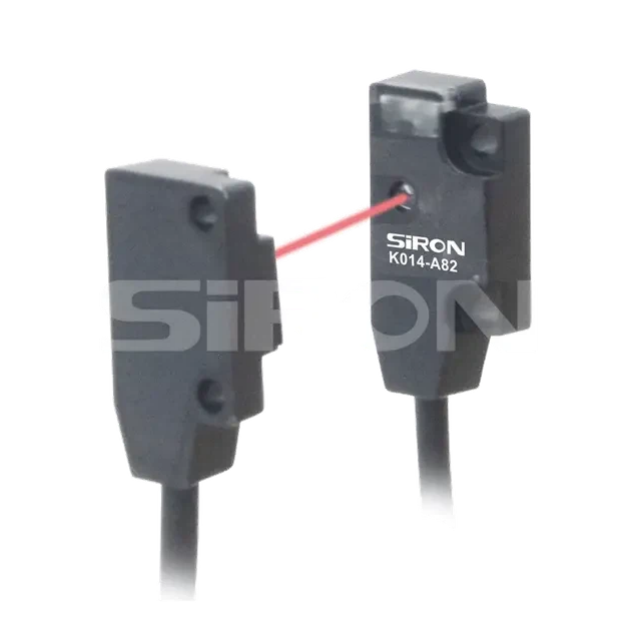
Manufacturing processes thrive on reliability, speed, and safety. The use of limit switches significantly contributes to these factors by ensuring seamless operation.
Increased Operational Reliability:
The role of a limit switch in ensuring that machinery operates within safe parameters is crucial. When systems are accurately monitored, the likelihood of mechanical failure or system misalignment is reduced, leading to a more reliable production line. This helps minimize the risk of downtime, which can be costly in any manufacturing setting.
Real-time Data Feedback:
Through the integration of limit switches with PLC (Programmable Logic Controller) systems, manufacturers can access real-time feedback about machine operations. This data is invaluable for operators, as it allows for immediate adjustments to prevent system overload or damage.
Integration with PLC Systems:
Limit switches seamlessly integrate with PLC systems, providing automated control of machines. These systems can automatically adjust the machine’s operation based on the input from the limit switch, allowing for efficient, real-time decision-making. Additionally, data from these systems can be analyzed to improve operational processes further.
By integrating limit switches with industrial sensors like proximity sensors and photoelectric sensors, manufacturing systems can operate at maximum efficiency. SiRON Electrical offers a range of sensors that ensure real-time monitoring, enhancing system performance and reducing operational disruptions.
Selecting the appropriate limit switch for a system requires careful consideration of various factors. Each application may require a different type of limit switch, depending on the specific needs of the machinery.
Key Considerations:
Size: Ensure that the limit switch fits the space available within the system. The physical dimensions are important to ensure it doesn’t obstruct other components.
Response Time: The response time of the limit switch plays a crucial role in time-sensitive applications. Faster response times are critical in high-speed manufacturing processes.
Operating Environment: The environment in which the limit switch will be installed also impacts its performance. Harsh environments with high humidity, extreme temperatures, or exposure to chemicals require sensors that are resistant to these conditions.
Comparison with Other Sensors:
When choosing a limit switch, it is essential to compare it with other industrial sensors like proximity sensors and photoelectric sensors. While limit switches provide accurate mechanical detection, other sensors may offer more versatile solutions for different applications. For example, proximity sensors can detect objects without direct contact, offering more flexibility in certain situations.
SiRON Electrical manufactures a variety of industrial sensors, including limit switches, that are designed to meet the needs of various industrial systems. Our sensors are built to withstand extreme conditions and provide precise detection, ensuring optimal performance.
A critical role of limit switches is to prevent system failures by detecting mechanical issues before they escalate into significant problems.
Safety Mechanisms:
Limit switches serve as a primary safety mechanism in industrial systems. By halting machinery at the end of a cycle or when it exceeds its operational limits, these switches prevent further damage. In case of a malfunction, the limit switch can stop the system to prevent further strain on the machinery.
Detection of Malfunction or System Misalignment:
The ability of limit switches to detect misalignment or malfunction is invaluable in reducing the risk of a complete system breakdown. If a machine moves beyond its designated range, the limit switch automatically halts the process, protecting other components from potential damage.
Reducing Downtime and Maintenance:
By preventing failures, limit switches reduce the need for costly repairs and maintenance. Systems that are more reliable operate for longer periods without the need for unexpected repairs, ensuring continuous productivity. With SiRON Electrical’s high-quality limit switches, you can minimize downtime and maximize efficiency.
Feature | Mechanical Limit Switch | Electrical Limit Switch |
Activation Type | Physical contact | Electrical signal detection |
Response Time | Moderate | Fast |
Size Flexibility | Larger | More compact |
Environmental Resistance | Lower (subject to wear) | Higher (better for harsh environments) |
Common Applications | Basic position detection | Precision control in automated systems |
Integration | Requires manual input | Easily integrates with PLC systems |
This table compares the two main types of limit switches, helping customers choose the best option for their specific needs. Both types of switches serve crucial roles in ensuring operational efficiency and safety in industrial automation.
In conclusion, limit switches are essential components of any industrial automation system, offering reliable and efficient operation. Whether in factory automation, conveyor systems, or safety applications, these sensors are crucial for maintaining system performance and ensuring smooth operation. By integrating limit switches with other industrial sensors, businesses can achieve better operational control and enhanced safety measures. At SiRON Electrical, we provide high-quality limit switches that are designed for durability and precision in the toughest environments. Contact us today to learn more about how our industrial sensors can improve your manufacturing processes.
1. What is a limit switch used for in industrial applications?
A limit switch is used to detect the position of an object and trigger a response once it reaches a predefined limit. This helps in controlling machinery and ensuring the safety and efficiency of automated systems.
2. How does a limit switch integrate with other industrial sensors?
Limit switches work alongside other sensors like proximity sensors and photoelectric sensors to provide comprehensive monitoring and control in automated systems.
3. Can a limit switch prevent system failure?
Yes, limit switches are designed to detect malfunctions, system misalignment, or unsafe movements, preventing further damage and ensuring the longevity of the equipment.
4. How do I choose the right limit switch for my system?
When selecting a limit switch, factors like size, response time, and the operating environment should be considered to ensure optimal performance.


