
Please Choose Your Language
close
Choose Your Site
Global
Social Media
Views: 0 Author: Site Editor Publish Time: 2025-11-23 Origin: Site


When it comes to industrial control systems, ensuring the proper functioning of all electrical components is essential to achieving smooth, efficient operations. Among the most important components in these systems are the power cables, which play a vital role in transmitting the necessary power to the equipment. However, it’s not just the power supply that matters, but also the integrity of the controller signal connection. The quality of these cables has a direct impact on the system’s overall performance and reliability. This article will delve into the critical role of power cables in ensuring effective controller signal connections, how to choose the right cables, and why this decision can make all the difference in industrial operations.
At SiRON Electrical, we understand the intricate relationship between the quality of cables and the seamless performance of control systems. Our products, including a wide range of cables designed for industrial applications, are tailored to meet the highest standards of safety, efficiency, and reliability.
A power cable serves as the primary conduit through which electrical power is delivered to different parts of a system. These cables are used in almost every electronic and electrical setup, ranging from everyday home appliances to complex industrial machinery. They are designed to carry the electrical load required by the system to ensure it runs smoothly. In industrial control systems, the quality of the power cable used directly influences the system’s efficiency. Without a reliable power cable, even the most sophisticated controller signal connections will suffer from intermittent power delivery, leading to potential malfunctions.
Several factors influence the performance of power cables, making it essential to select the right one for each application. The most critical features include:
Conductivity: The core of a power cable is typically made of copper or aluminum. Copper is preferred due to its superior conductivity, which ensures that power is efficiently delivered to equipment without significant losses.
Insulation: The insulation around the cable protects the internal conductors from external elements such as moisture, heat, and physical damage. The type of insulation used in a power cable can affect its ability to operate in harsh environments.
Flexibility: In many industrial environments, cables need to be flexible to accommodate movements and vibrations. A high-quality power cable should offer enough flexibility for easy installation and durability during long-term use.
In industries like automation, manufacturing, telecommunications, and energy, power cables form the backbone of electrical control systems. These cables carry power to control devices such as motors, sensors, and actuators, ensuring smooth and efficient operations. The choice of power cable is crucial for ensuring that the controller signal connection remains intact and functions without interruptions. Without the right cables, even the most advanced equipment could face connectivity or performance issues.
A controller signal connection refers to the transmission of signals between various components of a control system. These signals are vital for controlling machines, processes, and automated functions within a system. The power cable that carries these signals must be carefully selected to ensure that they do not degrade or interfere with the signals. Poor-quality cables can introduce noise, signal loss, or electromagnetic interference, which can compromise the system’s reliability.
In essence, a controller signal connection enables the proper functioning of an entire system by transmitting signals from controllers to the actuators or sensors that control and monitor industrial processes. Without these signals, the system cannot function as intended, making the quality of the power cable a key factor in maintaining uninterrupted operations.
There are several potential problems that can arise in controller signal connections, and many of them are related to poor-quality power cables. These issues include:
Signal Loss: Over time, cables can degrade, resulting in weakened signals. If a cable is not of the right material or quality, the signals may not be transmitted effectively, leading to system inefficiencies or even complete failure.
Electromagnetic Interference (EMI): When cables are not shielded adequately, they are more susceptible to electromagnetic interference from external sources. This interference can distort or even block signals, affecting the performance of the control system.
Connection Failures: Over time, even the best power cables can experience wear and tear. If connections between the cables and equipment become loose or corroded, it can lead to unreliable signal transmission and result in operational disruptions.
Therefore, ensuring that your power cable is of the highest quality is crucial for maintaining effective controller signal connections in your industrial systems.
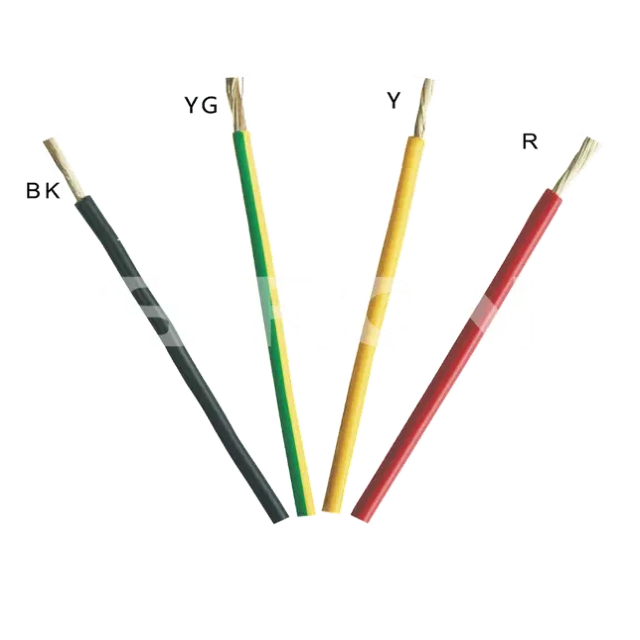
When choosing a power cable, one must consider both the length and the flexibility of the cable. The longer the cable, the more potential there is for signal degradation. It's important to choose the shortest length possible that still allows for proper installation and flexibility. If a cable is too long, it could negatively affect the quality of the controller signal connection.
Flexibility is another important factor. In industries where machinery or components move, a flexible cable is necessary to prevent damage due to bending or flexing over time. Flexible cables can also be installed more easily in tight spaces or areas with dynamic components.
Every power cable is designed to handle specific voltage and current loads. It’s essential to match the voltage and current ratings of the cable with the requirements of the equipment. Using a cable with a lower voltage or current rating than needed can lead to overheating, short circuits, or failure of the controller signal connection. Conversely, using an oversized cable can result in unnecessary costs and installation difficulties.
The insulation of a power cable is crucial for maintaining the safety of the system. High-quality insulation ensures that the cable can withstand environmental factors such as heat, chemicals, and mechanical stress. Shielding is another critical aspect, especially for applications where signal integrity is essential. Shielded cables help reduce the effects of electromagnetic interference (EMI) and ensure that the controller signal connection remains unaffected by external factors.
Power cables must be selected based on the environmental conditions they will operate in. In environments with extreme temperatures, high humidity, or exposure to chemicals, it's important to select cables that are specifically designed to handle these conditions. The right power cable ensures that the controller signal connection remains reliable, no matter the environment.
When selecting a power cable, it’s essential to choose a manufacturer whose products meet international certifications and standards. At SiRON Electrical, our cables are designed to meet rigorous industry standards, such as UL, IEC, and CE certifications. These certifications ensure that our products adhere to high-quality performance, safety, and reliability standards. Choosing cables that meet these standards significantly reduces the risk of system failures and ensures the controller signal connection remains stable over time.
Choosing a reputable manufacturer with years of experience is essential to ensure the quality of the power cables you use. SiRON Electrical has been in the business for years, providing industry-leading products designed to meet the demanding needs of various industrial sectors. Our reputation for excellence in manufacturing high-quality cables has made us a trusted partner for businesses around the world.
Using high-quality power cables ensures that electrical power is delivered efficiently and reliably, maintaining the performance of your control system. The better the quality of the cables, the less likely you are to experience signal loss or disruptions, resulting in smoother and more efficient operations.
Investing in reliable power cables reduces the risk of electrical hazards such as overheating, fires, and short circuits. High-quality cables are built to last, even under harsh conditions, providing enhanced safety and durability. This is especially important in industrial environments where safety is a top priority.
While high-quality power cables may come at a higher initial cost, they provide long-term cost savings. Durable cables reduce the need for frequent repairs or replacements, minimizing downtime and improving overall operational efficiency. Over time, the reliability and longevity of these cables will offer substantial cost savings for your business.
Choosing the right power cable for your controller signal connection is crucial to ensuring the safety, efficiency, and performance of your industrial systems. By considering factors such as cable length, voltage and current ratings, insulation, and environmental conditions, you can make an informed decision that ensures the reliability and longevity of your systems. At SiRON Electrical, we are committed to providing top-quality cables designed to meet the demands of modern industries. Contact us today to explore our wide range of power cables and other products designed to enhance the performance of your control systems.
1. What is the difference between a power cable and a signal cable?
A power cable is used for delivering electrical power, while a signal cable transmits data or control signals. Both types are necessary for the proper functioning of industrial control systems.
2. How do I choose the right power cable for my control system?
Consider the required voltage, current ratings, insulation type, and environmental factors when selecting a power cable for your system.
3. Can poor-quality power cables affect the performance of my system?
Yes, poor-quality cables can lead to signal loss, interference, and even system failures, making it essential to invest in high-quality cables for your control system.
4. Why is shielding important for power cables in industrial systems?
Shielding helps prevent electromagnetic interference, ensuring that the controller signal connection remains intact and unaffected by external sources of interference.


