
Please Choose Your Language
close
Choose Your Site
Global
Social Media
Views: 0 Author: Site Editor Publish Time: 2025-11-23 Origin: Site


When it comes to industrial vision systems, the role of a camera cable is often underestimated. Many overlook the importance of selecting the right cable for efficient data transmission, assuming that all cables will suffice for the task. However, the reality is that the quality of the camera cable can significantly impact the performance of the entire system. Whether it's used for machine vision, automated inspection, or robotics, having the right cable ensures that high-quality images are transmitted with minimal interference, leading to faster, more accurate processes. This article delves into why choosing the right camera cable is crucial for industrial vision transmission and how the right cable selection can improve your system’s overall performance.
Industrial vision transmission refers to the transfer of data from a camera (used for capturing images or video) to a processing system in various industrial applications. In factory automation, this data might include images from quality inspection systems, robotic arms, or automated machines that rely on vision-based inputs. The goal is to capture high-quality images and ensure that these images are transmitted without loss or delay.
The camera cable is the conduit that carries this data. It’s easy to assume that any cable could do the job, but in reality, not all cables are created equal. The cable needs to handle high-speed data transfer, operate under extreme environmental conditions, and ensure that data loss or degradation doesn’t occur. A camera cable isn't just a simple wire; it's an essential part of the overall industrial vision system that ensures the reliability and accuracy of the entire operation.
In an industrial setting, such cables must also be capable of handling specific challenges such as electromagnetic interference (EMI), vibration, and exposure to extreme temperatures or oils. If the wrong type of cable is chosen, the result could be disrupted signals, slower data transmission, or even system failure.
Not all camera cables are built to withstand the harsh conditions of industrial environments. To ensure optimal performance, here are the key features to consider:
When choosing a camera cable, it's essential to understand the data rates required for your system. Higher resolution cameras or faster frame rates demand cables capable of transmitting large amounts of data quickly. For example, if you're using a camera with a high-resolution output, a cable with sufficient bandwidth to handle the data without bottlenecks is crucial. Compatibility with various industrial protocols such as Camera Link or CoaXPress is another important consideration.
The distance over which the data is transmitted matters a great deal. Longer cables tend to lose signal quality, which can result in corrupted data. A high-quality camera cable should minimize signal loss over longer distances, ensuring that image quality remains intact. Whether it's used for short-distance connections or long-distance transmission, signal integrity is vital to ensure that the final output remains error-free.
In industrial settings, cables are often exposed to rough conditions. Whether it’s due to constant movement, abrasion, or exposure to chemicals, the durability of the cable is paramount. A camera cable with proper shielding to prevent electromagnetic interference (EMI) and a robust jacket to protect against mechanical wear is essential for maintaining stable operation. Additionally, cables that offer flexibility for use in robotic arms or AGVs (Automated Guided Vehicles) can help ensure smooth performance.
Some camera systems require the cable not only to transmit data but also to deliver power or carry control signals. Specialized cables that combine power transmission with data can save space and reduce complexity in installations. Choosing a camera cable that can handle both data and power for specific applications can streamline the setup and improve overall system performance.
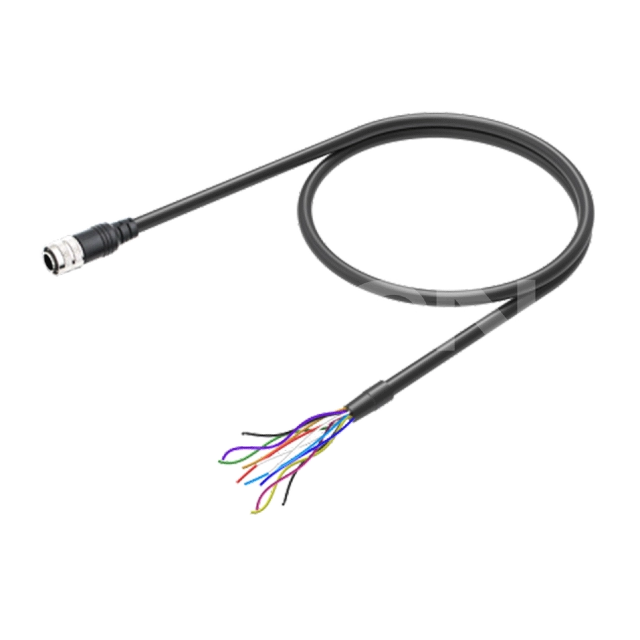
Using substandard or incompatible cables in an industrial vision transmission system can lead to several performance issues. The consequences can range from minor disruptions to full operational shutdowns, all of which can have significant financial impacts.
One of the most immediate consequences of using the wrong camera cable is increased downtime. If cables fail or degrade, the system may require frequent repairs or replacements. In high-speed production environments, even a few minutes of downtime can result in significant delays and losses in productivity.
When cables can't handle the required data rate, the result is often poor image quality or data loss. This is especially problematic in applications that require high-precision, real-time inspection. For example, in automated quality control systems, poor image transmission can lead to missed defects, which could compromise product quality.
Low-quality or incompatible cables often require more frequent maintenance and replacement, adding hidden costs to the overall system. A cheap cable might save money upfront but could lead to much higher costs over time due to increased maintenance and downtime.
When selecting a camera cable, there are several best practices to ensure that your industrial vision system operates optimally:
The first step in choosing a cable is understanding the type of camera and the data rate it requires. Higher resolution cameras or those capturing faster-moving objects will need cables that can handle high data transfer rates. Make sure to select cables that meet the specifications for your particular camera system.
The length of the camera cable plays a critical role in its performance. If your camera is installed far from the processing unit, you’ll need a cable that can maintain signal integrity over long distances. Additionally, consider the environment in which the cable will be used. If the cable is subject to movement, vibration, or exposure to harsh chemicals, a flexible and durable cable will be necessary.
Shielding is important to protect against electromagnetic interference (EMI), which can degrade data quality. Additionally, cables that are flexible are essential for applications involving robots or automated machinery that move constantly. Ensure the connectors are compatible with your system to avoid compatibility issues.
Cable routing is another essential factor to consider. Improper installation can lead to mechanical damage or signal degradation. Proper cable management will help avoid tight bends, strain, and wear on the cables.
Once installed, always test the performance of your camera cable to ensure it meets the required standards. Check for signal loss, data integrity, and overall functionality. Performing these tests will help catch any potential issues before they affect the production process.
Choosing the right camera cable supplier is just as important as choosing the right cable itself. A specialized supplier with a deep understanding of industrial vision systems can guide you through the selection process and ensure you get the best cable for your needs. With years of experience and expertise, these suppliers can provide tailored solutions that ensure reliable and efficient industrial vision transmission.
As industrial vision systems evolve, the demand for faster, higher-resolution cameras and longer transmission distances will only increase. This means that the camera cables of the future will need to support higher data rates, longer distances, and more complex features like power delivery.
New technologies like optical and hybrid cables are also emerging, providing solutions for environments with high levels of interference or where long transmission distances are required. As the industry moves forward, staying ahead of these trends will be essential for manufacturers and suppliers alike.
Selecting the right camera cable for industrial vision transmission is crucial for ensuring that your vision systems operate efficiently, with minimal data loss or interference. By understanding the technical features of camera cables, choosing the right supplier, and following best practices for installation, businesses can avoid costly downtime and maintain high-quality production standards. For more information or assistance with selecting the right camera cable for your system, don't hesitate to contact us at Shenzhen SiRON Electrical Co., Ltd.
Q1: What factors should I consider when choosing a camera cable for industrial use?
A1: Consider factors such as bandwidth, cable length, environmental conditions, and signal integrity. Ensure the cable is compatible with your camera's interface and can handle the required data rate.
Q2: Can I use regular cables for industrial vision transmission?
A2: While regular cables might work for short distances and lower data rates, they are not designed to withstand the harsh conditions of industrial environments. For reliable performance, always use industrial-grade cables designed for high-speed data transmission.
Q3: How can I ensure my camera cable performs well over long distances?
A3: Choose cables with high-quality shielding and low signal loss over long distances. For very long runs, you may need to opt for fiber optic or active cables that are specifically designed for long-distance transmission.
Q4: What are the most common mistakes to avoid when installing camera cables?
A4: Common mistakes include using the wrong cable type, improper routing that causes strain, and neglecting the environmental conditions the cable will be exposed to. Always ensure the cable is installed with care to avoid damage or poor performance.


